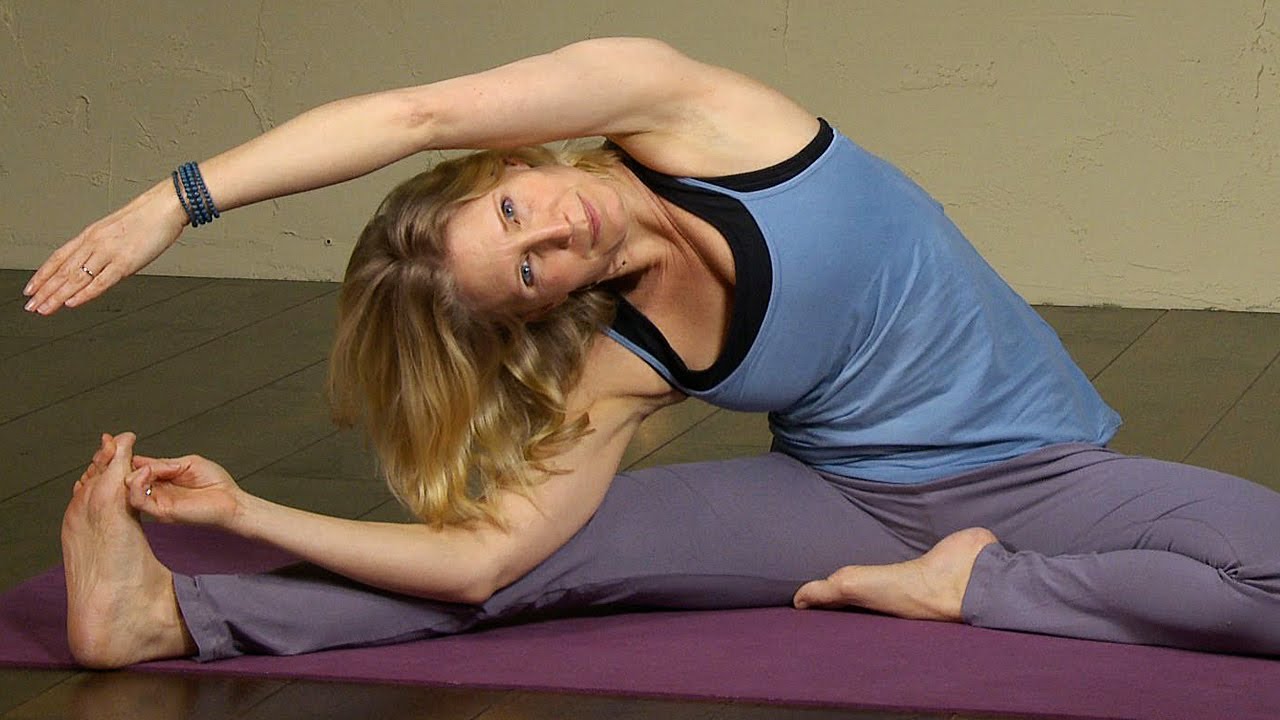
Some meditation techniques that you can try at home

Article by Rockeysheen01

Meditation is the most rational and also one of the most analytical way of lifting the mind into the highest levels of spirituality.It is imperative to say that meditation teaches you inner peace and calmness in the most difficult of situations in the most spiritual way. Meditation, in other words, enlighten a human mind in all possible aspects. It transforms and nurtures all the qualities of an individual and relieves the daily life stress and tension. It helps in changing the negative thoughts into positive ones and all these can be done within oneself and with lots of focus and determination.

Here are some popular meditation techniques that you can try at home:

The concentrative technique for meditation: you can begin by focussing your mind on a picture, a sound like the mantra chants or by just controlling the breathing. This kind of meditation stills the mind and also gives you awareness and clarity of the mind. It can be done simply with the help of breathing control. This will also help you in alerting your mind in a positive manner.

Zen meditation: the zen meditation technique is such that it focuses the attention of the mind towards the feelings, sensations and thoughts of the mind. While meditating, you would require stopping thinking about anything and making your mind blank and free. This will also result in a calm and alert mind.

The japa meditation: it is mainly performed to remove the tension and stress from life. It gives you inner peace. It also gives you happiness that results from within. It involves the chanting of a mantra that is usually given by the Guru. The mantra is usually in the name of God. You can chant the mantra slowly or softly within yourself. It usually involves the chanting of the mantra for at least 108 times. You can also perform this meditation while attending a temple or while you are worshiping your God in a peaceful environment.

It is named as Japa meditation since it involves the counting of the bead string that is known as Japa mala or the rosary. There are many more meditation techniques available in the world. If you are interested, you can gather books, CDs and DVDs on the various techniques of meditation. Once you are thorough with the various techniques of meditation you will be able to feel radiant from within. You will not only enjoy a healthy life but you will also be the owner of a beautiful blemish free skin from within.

About the Author

This Article on meditation technique is constructed by Rockeysheen. He has in-depth knowledge on different issues related to health and contributes his skills writing different topics related to health and meditation techniques, which has left a mark in the industry. For More Information he recommends to visit https://secrets2meditation.com/goto/?url=http://themeditationmind.com/
All About Guided Chakra Meditation

Article by Suzanne Eltink

Many people today think that meditation is not something that they can do regularly, or not at all. Even though millions of Americans meditate every single day, there are still millions of those who believe that meditation is something that only priests and monks do. The reason why they think this is the fact that many people cannot even imagine reaching a state of mind and a body so relaxed to start meditating. While it is true that beginners often have a tough time reaching this state of relaxation and concentration, it is also important to mention that chakra meditation and guided meditation in general can help you achieve this state of relaxation by taking you to it step by step and telling you a story that will take you where you need to go.


Guided meditation is a form of meditation which is the best for those people who really want to start meditating and start cleansing their chakras, but simply cannot picture themselves, reaching the level of relaxation and focus needed for meditation. Basically, what guided meditation offers is exactly what its name promises – a guidance throughout the process of meditation. This is exactly what most people need when they start meditating. Most people need someone to talk to them in a soothing voice, someone who will be there to tell them what to do, how to relax, when to do what and so on.


Owing to the fact that chakra meditation is a form of meditation that lets you cleanse your chakras to reach a state in which your body and mind will be perfectly relaxed and ready for any challenge that lies ahead, many people are beginning to take up this type of meditation. Now, most of these people are not able to clean their chakras without significant help from others who are much more experienced with the word of meditation and guided meditation has proven to be the best choice for all beginners in this field.


Guided chakra meditation is definitely something everyone who feels like they need to relax and cleanse their body and mind should take up, because through this type of meditation everybody will be able to focus only on what is important and stay focused throughout the period of time needed to cleanse the chakras each and every day, or week. Therefore, if you are thinking about taking up meditation, guided chakra meditation is something you should always start with.

About the Author

Suzanne Eltink is a professional spiritual and personal development trainer. Her Angel Meditation has shown thousands of people the wonderful gifts of new information, re-connection, appreciation, clarity, acceptance and awareness which ultimately helped them to truly know themselves and to transcended these experiences and come to a place of Understanding and Higher Consciousness. Her aim is to focus on using your: inner feelings, Wisdom, Faith, Courage, self acceptance, confidence, Forgiveness and Unconditional Love through Guided Meditation.

Brief Summary of Mindfulness Research

Article by Dina Oelofsen https://secrets2meditation.com/goto/?url=http://www.mindfulleadership.co.za/

The following research has been done on Mindfulness and has a significant impact on developing Leadership talent. Researchers’ interest in mindfulness practice hassteadily increased as studies continue to revealits beneficial effects. Current research looks athow the brain responds to mindfulness practice,how relationships benefit, and how physical andmental health improves, as well as other topics.The following presents a sample of the resultsfrom investigations seeking to uncover more ofwhat mindfulness can offer to enhance humanwell-being.Brain Immune SystemA burgeoning field of study has grown out ofinterest for the effects of mindfulness practice onthe brain. Current literature points towards thepotential for mindfulness to affect the structureand neural patterns present in the brain. Scientistshave seen these results last not only duringmindfulness practice, but also during the dailylife of practitioners. The results of one studypublished in NeuroReport in 2005 show thickercortical regions related to attention and sensoryprocessing in long-term meditation practitionerscompared to non-meditators. These findings alsosuggest that meditation practice may offset corticalthinning brought on by aging1. A recent studyoutlines the difference in neural functions relatedto emotion in expert meditators and novicemeditators. Individuals performed compassionmeditations, while researchers measured howthe regions in the brain responsible for emotionregulation reacted to varying stimuli. The moreadvanced meditators showed more activationin those areas of the brain that detect emotionalcues, demonstrating a heightened empathicawareness2. However, not all studies involveexpert meditators. A 2003 study focused on howan 8-week training course would affect the brainsand immune systems of individuals.This investigation provided some evidence ofincreased activation in a region of the brain correlatedwith positive affect, as well as evidence thatthe immune system would react more robustly inantibody production after meditation training3.Brief Summary ofMindfulness ResearchGreg Flaxman and Lisa Flook, Ph.D.2Article 02Another recent study showed better stress regulation,as measured by a faster decrease in levels ofthe stress hormone cortisol following a stressfullaboratory task, among Chinese undergraduatesafter 5 days of meditation training at 20 minutesa day. These students also reported less anxiety,depression, and anger compared to a group ofstudents that received relaxation training4.RelationshipsMindfulness training may affect an individual’sability to harbor successful social relationships aswell. A University of North Carolina at ChapelHill study demonstrated a correlation betweenmindfulness practice in couples and an enhancedrelationship. The couples reported improvedcloseness, acceptance of one another, autonomy,and general relationship satisfaction5. A 2007study replicated this finding, also demonstratinga correlation between mindfulness and qualityof communication between romantic partners6.Loving-kindness meditation, which can involvepositive imagery or wishes directed toward othersor self, can affect how one relates to others. Arecent study examined how individuals reacted toviewing photographs of strangers after lovingkindnessmeditation. The meditation significantlyaffected the positive values they attributed tothose strangers, demonstrating a relationshipbetween loving-kindness meditation and socialconnectedness7.Mindfulness practice can benefit familial relationships.Parents of children with developmentaldisabilities described increased satisfaction withtheir parenting, more social interactions withtheir children, and less parenting stress as a resultof mindfulnesstraining8. In another study carriedout by the same researchers regarding parentsof children with autism, the same results ofincreased satisfaction in their parenting skills andrelationship applied9. In both studies, the childrenof these parents benefited from the mindfulparenting practice, showing decreases in aggressiveand non-compliant behavior. In addition, amindfulness intervention for adolescents withexternalizing disorders that involved their parentsin the treatment showed improvement in thehappiness of the children, as well as the parents’perception of their child’s self-control10.ClinicalA popular form of mindfulness intervention,devised by Jon Kabat-Zinn, is Mindfulness-BasedStress Reduction (MBSR). This interventionoriginally came about to help those with chronicpain issues or stress-related disorders. Typically inMBSR programs, individuals go through an 8-10week session in which they practice for at least 45minutes a day. Numerous therapies incorporatingmindfulness have sprouted in recent years. Mindfulness-based cognitive therapy, similar to MBSR,teaches individuals to recognize their thoughtsand feelings with a nonjudgmental attitude. Whenresearchers studied its effectiveness in preventinga relapse of depression for those in remittancefrom a depressive episode, 37% of those that wentthrough an 8-week MBCT program experienceda relapse compared to 66% of those not in theprogram11. Helping professionals can use mindfulnessto improve their abilitiy to empathize withthose they serve as well. A study3Article 02of an 8-week MBSR course for nurses showed thattheir mindfulness practice facilitated empathicattitudes, as well as decreased their tendency totake on others’ negative emotions12. A previousstudy of health-care professionals going throughthe 8-week MBSR program presented results ofincreased self-compassion and reduced stress inthose individuals13. Such self-care may trickledown to improve upon the quality of the relationshipbetween those professionals and their clients.While the majority of mindfulness studies havefocused on adults, some pertain to the practice ofmindfulness in children and adolescents. A seriesof studies have documented its use as an interventionfor youth with psychological disturbances. Inone 6-week study with anxious children, teachersreported an improvement in academic functioningand decrease in symptoms of anxiety in thechildren14. Another utilized mindfulness-basedcognitive therapy with the result of significantlyreducing observable internalizing and externalizingsymptoms. Over 80% of children and parentsinvolved in this study thought that schools shouldteach mindfulness15. A mindfulness interventionfor several adolescents with conduct disorderresulted in a significant decrease in aggressivebehavior. They reported benefits from mindfullyreturning their attention to the soles of their feetduring distressing situations16. In a recent studyfor adolescents with ADHD, mindfulness trainingsignificantly reduced symptoms associated withtheir disorder17.EducationThere is increasing interest in the utility of mindfulnesspractices in educational settings. A studyof 1st-3rd grade children that involved a 12-weekprogram of breath awareness and yoga (deliveredonce per week every other week) showed improvementsin children’s attention and social skillsas well as decreased test anxiety in children whowent through the training as compared to controls18.Another program that combined elementsof MBSR and tai chi for a small group of middleschool students in a 5-week program found thatstudents reported an increased sense of calm,connection to nature, and improved sleep aftergoing through the training19. Two pilot studiesconducted through UCLA’s Mindful AwarenessResearch Center indicate improvements inself- regulatory abilities among preschool andelementary school students who participated inan 8-week mindful awareness practices trainingprogram (developed and taught by InnerKids intwo 30-minute sessions per week). Specifically,children who were initially less well-regulatedshowed the strongest improvements subsequentto training, as compared to children in the controlgroup who did not receive the training20 21.These preliminary findings suggest potentialbenefit and practical applications of mindfulnessfor children in school settings.Other mind/body practicesMindfulness is not alone in the world of mind/body awareness practices currently studied byscientists. A 2006 qualitative study followed theeffects of one year of Transcendental Medita4Article 02tion! (during the first and last 10 minutes ofeach school day) on ten middle school students.Themes that emerged from individual interviewswith students included a greater ability at selfcontroland improved social relationships, as wellas better academic performance. Other investigatorshave evaluated the benefits of Yoga as well22. Investigators found Sahaja Yoga Meditation,an awareness practice related to mindfulness, asan effective intervention for children with ADHDand their families. Results included an improvementin the self-esteem of the children, a reductionin their ADHD symptoms, and an improvedrelationship between parent and child23. A studyof Iyengar Yoga as a complement to medicationin the treatment of depression found significantreductions in overall depression, anger, andanxiety among participants. Participants alsoconsistently rated their moods higher after thecompletion of each class than before each onecommenced24. The underlying mechanismsinvolved in these types of practice remain to beunderstood, although it appears that each doesoffer health benefits.While the discussed research gives one a glimpseinto the many topics of study involving mindfulness,it does not capture the complete picture.Some areas have barely been broached by investigators,including mindfulness in the workplaceand mindfulness in athletics. Future investigationsmay increasingly shed light on both how mindfulnessworks as well as directly comparing variousforms of practice.1 Lazar, S., et al. (2005). Meditation experience is associated withincreased cortical thickness.NeuroReport, 16(17), 1893-1897.2 Lutz,

Learning From Experiences (Part 8 of 8) Lessons in Dreams : Spiritual Lessons : Video

Learning From Experiences (Part 8 of 8) Lessons in Dreams : Spiritual Lessons  : Video

Spiritual Lessons :

www.facebook.com (connect on facebook) www.projecttristar.net Dreams and visions provide lessons just as physical experiences; understanding them can show you where you are stuck and help you to propel your growth forward.
Video Rating: 4 / 5

Compete With Life And Win! The Secret Truth About Prosperity Laws
A 112 Pages Book About Prosperity And How To Improve Your Quality Of Life And Achieve Your Most Incredible Dreams.
Compete With Life And Win! The Secret Truth About Prosperity Laws

Yoga Exercises : Yoga Meditation Breathing Techniques : Meditation Breathing : Video

Yoga Exercises : Yoga Meditation Breathing Techniques : Meditation Breathing  : Video

Meditation Breathing :

Proper yoga breathing techniques such as focused breathing help the mind into the relaxed state necessary for meditation. Learn focused breathing for meditation in this free yoga video. Expert: Ozzie Jacobs Contact: www.ozziejacobs.com Bio: Ozzie Jacobs works as a personal trainer, yoga instructor, fitness educator and writer. Filmmaker: Max Cusimano Series Description: Yoga can address issues ranging from muscular strain to mental stress by helping you focus your mind, breathe more deeply and build strength and flexibility. Learn a variety of yoga poses and exercises from a professional instructor in this free video series.

Winter Blues Yoga : Yoga : Video

Winter Blues Yoga : Yoga  : Video

Yoga :

This Winter Blues Yoga is great for all you followers in the freezing climate of North America, Canada and Europe. Even you guys in warmer climates will still enjoy this 🙂 Please subscribe to my channel here: bit.ly Go to my channel: www.youtube.com Follow me on facebook : www.facebook.com Follow me on twitter: www.twitter.com Look me up on Google+ : www.gplus.to

Mindfulness Meditation – How to Mine Your Past for Creative Gold

Article by Richard M. Frost

In our headlong rush to create a new, supposedly better reality for ourselves, there is a great danger of reinforcing a pervasive belief that what we have now isn’t good enough. Such an attitude is counter-productive and a sure recipe for unhappiness. But this constant focus on the future also causes us to ignore a potential source of creative gold: memories of happy experiences from our past. And those memories should not be overlooked, for their vividness in our minds gives them an extra creative potential that wishful thoughts about an imaginary future often lack.

The Past is Not Dead, But it Could be Killing Your Future

Once we have accepted the unconventional proposition that we create our reality with our thoughts, then the six-million dollar question inevitably becomes, “What are we setting ourselves up for by thinking what we’re thinking?” Through the cultivation of mindfulness, we must constantly observe our thoughts and emotions, and stand ready to police negativity that will cause problems if left unchecked.

What that mindfulness often reveals is that we spend a great deal of our time rehashing events from our past – usually bad ones. If just one little thing goes wrong with an otherwise decent day, you can bet your bottom dollar that you’ll be dwelling on that isolated incident, blowing it up out of all proportion and granting it a significance it almost certainly doesn’t deserve. Not only does this make you unhappy without good reason; it also sets in motion creative forces that will cause this poor quality of experience to expand. Think of it as a snowball effect or as a vicious circle, but you are going to get more of what you concentrate upon.

Sadly, we often end up using our creative power not to make the better future we want by concentrating on how things could be, but instead create a poorer future by focusing on the lousy things that have already been. This process is at work all the time, even for people who would laugh at the suggestion that their own thoughts and feelings affect their physical reality. Those of us who have made this breakthrough and perceived our own power ought to know better, but all too often fall into the same self-destructive traps as everyone else. It takes a tremendous degree of experienced mindfulness to learn this lesson.

Time to Turn the Tables

Most efforts to create better realities involve positive thoughts and images about a potential future. Those efforts are particularly difficult when we sabotage ourselves by allocating more time to complaints about the past and present. This tendency dooms many people to failure before they start, so it is no wonder that some say creative visualization doesn’t do any good. In a generally dark mental environment, a few rays of sunshine amount to little more than damage limitation.

There are two things we can do to give our future a better chance at working out the way we want, and both involve our past. The first, following on from what we have just discussed, is to stop dwelling on all the bad things we habitually churn up from our past, whether that past occurred earlier today or twenty years ago. (Memories of ancient harms don’t go away. In fact, the brain is hard-wired to hang on to them.)

The second thing we can do is to deliberately focus on all the good things that have happened in the past. And, no, it’s not acceptable for you to say, “What good things?” Unless you’ve been a prisoner of war all your life, there will have been some good along the way. And even if your life has been unusually hard, we should not forget what Viktor Frankl told us in Man’s Search for Meaning. The most resilient humans – those who survive against all odds – are somehow able to find something positive in the most hellish conditions imaginable.

Focusing on the best events from your past will encourage those better qualities of experience to reappear. No matter what else has happened since, or is happening right now, no one can ever take those memories away from you. They are always available to you, ready and willing to help you focus your attention and creative energy through a brighter prism, and to rekindle happier emotions.

Thus, instead of dredging up toxic mud from the murky depths of your past, only to dump it into the flow of your current consciousness, why not instead tap into your deep reserves of creative gold? The more you do this, the easier it will become. And if you persist long enough, you will start to detect those same happy qualities of experience occurring anew. The details will be different, but life will try to give you more of the same. Once again, the bottom line is this: What do you want more of – the worst things that have happened to you, or the best?

About the Author

The uses and limits of mindfulness practices are discussed in greater detail in this thoughtful and unique meditation blog.