Hatha Yoga

Article by Paul Wells

Getting To Know Hatha Yoga

Yoga has it beginnings in ancient India but this discipline has invaded the whole world due to the benefits it offers to people who take up yoga. A survey shows that there are more than sixteen million people who practice yoga in the United States alone.

There are various types of yoga and each type has its own methods and purposes. One type of yoga is the Hatha Yoga which literally means sun and moon, coming from two Sanskrit words Ha which means sun and Tha which means moon.

Hatha Yoga, which was first introduced in the 15th century by Yogi Swatmarama, was meant to help yoga practitioners start off with purifying their bodies before proceeding to a higher level of meditation. It is said that Hatha Yoga is similar to Raja Yoga which follows the principle of yama which refers to moral self discipline or control. However, there are sectors who believe that Hatha Yoga has its origins as early as the 10th century.

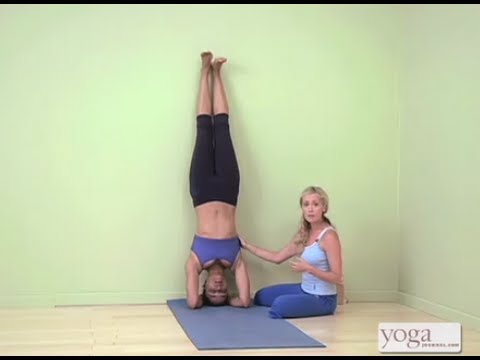
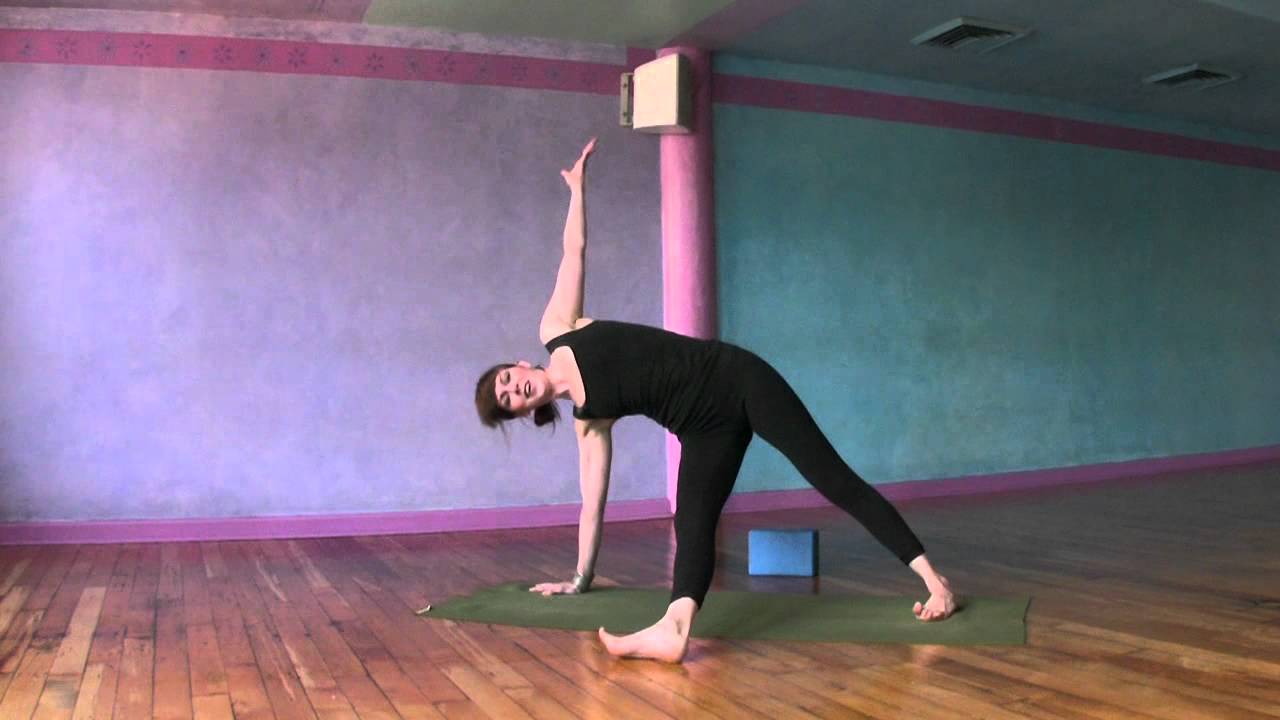
American yoga followers usually practice the Hatha Yoga to improve their physical and mental health. Most of the Western practitioners of the Hatha Yoga focus on the asanas or yoga poses and exercises but it is really a unified yoga discipline veering not only on the physical but also in Pranayama which consists of breathing and meditation techniques.

Both Hatha Yoga and Raja Yogi are known as Ashtanga Yoga because it follows the eight limbs which include the asana or the poses including the Lotus pose, easy pose, pelvic pose and easy pose. Some sectors however do not consider Hatha Yoga as Ashtanga Yoga since they believe it follows the six limbs.

The literal meaning of Hatha Yoga refers to the use of opposite forces or energies much like the sun and moon or the more familiar concept of yin and yang. This yoga discipline aims to achieve a balance between the physical and the mental powers of a person to achieve a higher level of existence. The body and mind is prepared for a higher level through the execution of the asanas.

Hatha Yoga makes use of Yama or moral control, the Asanas or the poses, Pranayama, Niyama, specific exercises known as Mudra which aims to improve the breathing technique and Nadanusandhana. All the six limbs work together to help the practitioner achieve a higher level of Kundalini or concentration and meditation.

Most Yoga practitioners strive to follow moral discipline or yama to live a virtuous life. According to the yoga discipline, a person can live a virtuous life by following the ten moral restraints primarily the ahimsa or veering away from causing harm to all living creations.

The other yamas include Satya or the ability to stick to the truth, Asteya which prohibits a person from stealing or incurring debt, Brachmacharya which requires celibacy for singles and faithfulness for those who are married, Kshma which refers to the virtue of patience, Dhriti or the principle of commitment, Daya which prohibits cruelty to all beings, Arjava or the promotion of honesty, Mitahara or keeping a moderate food intake and Shaucha or purity in thoughts and words.

Yoga has been referred to as physical yoga because of the use of poses or exercises to achieve unity in body and mind. Some people equate yoga with Hinduism maybe because it started in ancient India but it should not really be identified or attached to any religion because it is a universal science that aims to achieve spiritual balance.

Hatha yoga is a very significant discipline that helps a yoga practitioner to achieve unity of body and mind in order for him to be elevated to spiritual perfection. While different yoga pose can also develop muscles and body form, they are however primarily aimed to achieve a balance in the body systems and internal organs.

Some people take up Hatha yoga to heal their physical and emotional illnesses. With constant execution of the asanas, the human body ultimately develops into a stable and enduring vessel for the human spirit.

Yoga disciples continue to execute the asanas not only to gain physical but also mental balance. The discipline one can gain from yoga will go a long way in helping the person lead a disciplined, happy and peaceful life.https://secrets2meditation.com/goto/?url=http://www.books4knowledge.co.uk/yoga-at-home-4256-p.asp

About the Author

https://secrets2meditation.com/goto/?url=http://www.books4knowledge.co.uk/yoga-at-home-4256-p.asp
What Does All This Yoga Jargon Mean?

Article by Andi Jackson

You may feel a bit like you have jumped in at the deep end. There are a lot of technical words in Yoga, many of which originate from Sanskrit so it can be difficult to understand and follow instructions as a beginner. This is a quick but detailed explanation of some of the more common Yoga terminologies to help you getting started.

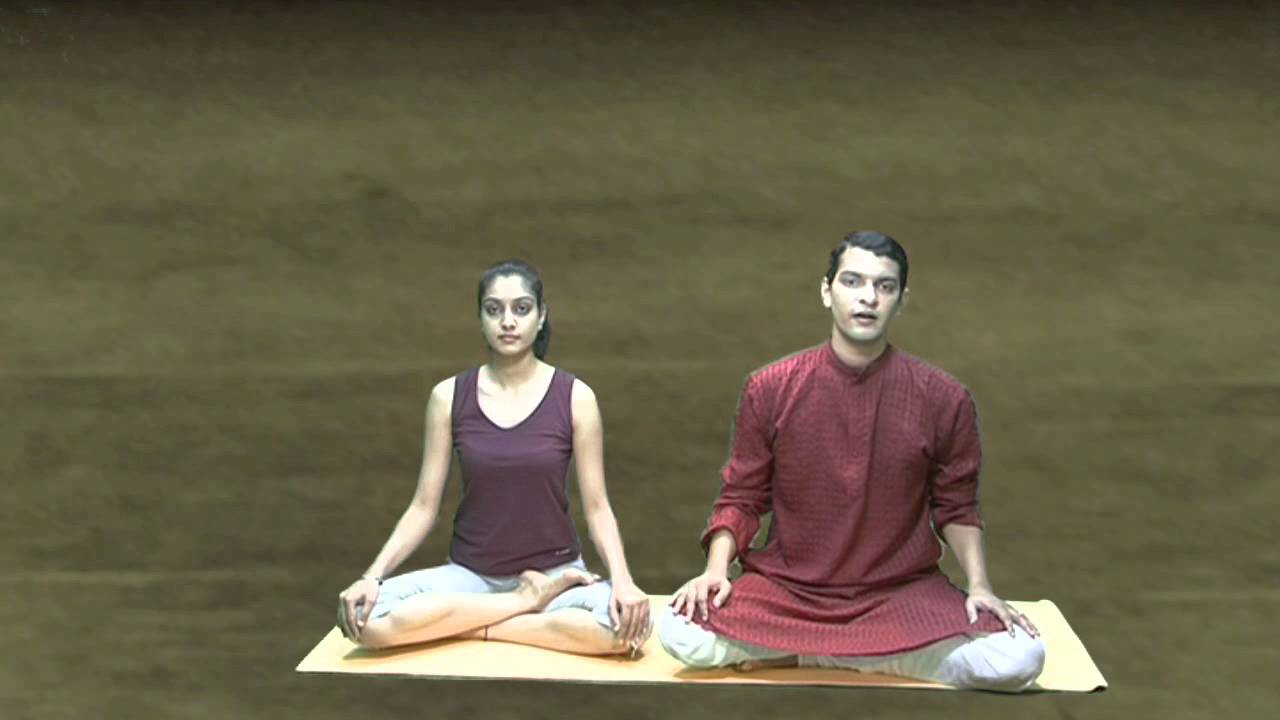
AsanasNo doubt you will hear and read this word many times when researching Yoga or attending Yoga sessions. Asana means pose or posture and is the name given to all Yoga postures. This is why all of the yoga postures you will encounter end in asana. For example, Tadasana means Mountain Pose. When someone refers to a Yoga Asana, they are really just saying Yoga Pose. Yoga texts mention around 840,000 Yoga postures and up until recently only around 20-30 of these used in daily practice. Now over 200 Yoga postures are being used by Yoga students across the globe.

PatanjaliPatanjali is the legendary founder of Yoga teachings. Patanjali is said to have to lower body of a serpant and be the bringer of philosophy, language and medicine to India. Although mythological in appearance it is accepted that Patanjali was in fact a historical figure and it is estimated he lived around 220 BC. Patanjali developed the Yoga Sutras.

Yoga SutrasThe Yoga Sutras (otherwise known as the Yoga Aphorisms), is an authoritative work developed by Patanjali in which Yoga is said to consist of eight limbs. These eight aspects are all equally important and inter-related with each other.

1. Yama – Five Universal Commandments of not harming anyone, truth, non-stealing, godly, chaste life, greedless. 2. Niyama – Five Personal Disciplines of cleanliness, contentedness, self discipline, study, study of the scriptures and dedication to God.3. Asana – Devoted practice of the Yoga Postures.4. Pranayama – Practice of breathing control.5. Pratyahara – Detachment of worldly activities.6. Dharana – Concentration.7. Dhyana – Meditation.8. Samadhi – Trance or state of bliss.

IyegnarAlthough you may hear Iyegnar Yoga mentioned a lot with regards to Yoga, Iyegnar is not a terminology. B.K.S. Iyegnar was a revolutionary pioneer of Yoga who developed a series of Yoga techniques based on the traditional works of Patanjali with the added bonus of accessibility for people of all levels of Yoga. Iyegnar Yoga refers to Yoga postures that have been influenced or taken directly from Iyegnar’s works and are generally an indication that they are beginner friendly or have beginner friendly variations.

PranayamaPranayama is the advanced stages of Yoga mastery where Yoga postures are practices to control breathing. Pranayama is not to be attempted without first mastering the Yoga postures and many insist that it should only be carried out under expert supervision. Pranayama incorporates breathing techniques and exercises into your Yoga regime.

Yoga ToolsNo, you don’t need a spanner before you start to learn Yoga. Yoga tools are certain household props that may be required to help you complete certain postures. Thanks to the work of Iyegnar, many Yoga postures were developed with variations that use tools to help beginners complete the posture.

About the Author

Yoga can be integral part of the healing process. Make the decision to learn more about how you can do to improve your health and wellbeing today.

Yoga Meditation to Free the Thoughts

Article by Gerald Hyde

Not only does the practice motivate accountability and make clear goals, but new research exhibits that it could gain the physique, as nicely as the soul. Psychologist and researcher, Dr. James Pennebaker, states that people who create about their feelings – as opposed to merely recording each day activities – have a smaller amount strain and much healthier immune programs.A meditation log can be as uncomplicated as recording essential details and responses, or it can just take the form of a journal that documents and explores the emotions and impressions seasoned throughout a meditation session. Some people today even have blogs that permit them to discuss their responses with others. In its easiest sort, a log usually consists of the adhering to: day of the week and time, site, size of time put in, and comments.Advantages of Holding a Meditation Log&bull Provides a visual document and encourages consistency&bull Brings focus to the meditation apply&bull Demonstrates stages of expansion and progress&bull Aids to approach data received though in the altered state of meditation&bull Reinforces ideas and strengthens memory&bull Makes it easier to acknowledge designs and synchronicities&bull Encourages objectivity and insightCreating can be an opportunity to channel thoughts and feelings into a thing tangible that can be shared with other people. While Vietnamese Buddhist monk and peace activist, Thicht Nhat Hanh, was banned from Vietnam in the 1966, he continued to compose letters advocating peace from his exile in France. In 1967, he was nominated by Martin Luther King for the Nobel Peace Prize, and currently, he nonetheless makes use of his producing to instruct the entire world about mindfulness and peace. He also advocates composing as a sort of meditation.In actuality, it has been my knowledge that producing is a exclusive form of meditation, as effectively. Though, my attachment to Yoga meditation could be transparent, composing is absolutely beneficial for focusing one’s ideas and bringing about states of internal calm.From essential logs, to inventive journals, there are many selections for holding track of meditation practice:&bull Various on the net internet sites offer visitors a opportunity to examine what some others have published and to share particular person encounters. The position of emphasis is the “functionality.”To start focus meditation, view the breath go in and out at one particular stage in the entire body, and count to ten breaths. Quite a few ideas will arrive into your intellect and disturb you, but if you can get to 10, you are executing nicely. If a assumed is discovered, but you have not missing count, observe briefly in your brain what the believed is. Label it, working with a expression like “organizing,” “memory,” or “fantasy.” Labeling will take away the thought’s power to distract – so practice it generally.Counting retains you in the existing minute, by offering quick feedback of each and every minute. In flip, you track thoughts which are not aware, which happens when you overlook the quantity you are counting. It also retains the practitioner centered on one “function” – the breath. After you have mastered counting to 10, perform backwards again down to a single. This concentration apply, performed numerous instances a day, will assist you discover to however the mind for additional do the job.?? Copyright 2011 – Aura Wellness Center – Publications DivisionMeditation is scientifically established to assist boost:

Overall health

About the Author

To look at first started your business, I traveled to the bank for your business loan. Not difficult, right? I had our business plan if you want, an itemized set of everything that I might need to successfully run your business, and the whole set of necessary documents. To position it plainly, I was unapproved. Why? Not because I did not have your credit to rear it up, or could not have a fantasti

20 Minute Weight Loss & Fatburning Yoga Workout! : Yoga : Video

20 Minute Weight Loss & Fatburning Yoga Workout! : Yoga  : Video

Yoga :

Sadie created a fresh, new, super-effective 20-minute sequence to torch calories, and help you lose weight! Learn it, and a Core Breath Technique that amps up your weight loss benefits in much less time than with many other yoga and exercise forms. If you want to tone up, raise your metabolism, sculpt your muscles and lose weight…this is for you! See more at www.SadieNardini.com

EASY, FAST AND MOST EFFECTIVE 12 YOGA TIPS FOR BEGINNERS

Article by Joyce Rothschild

Namaste:) Yoga is approximately 5000 years old and it is the best physical, mental and spiritual exercise ever.

Yoga (yuj) means “to control,” “to yoke”, “to unite”, “joining,” “uniting,” “union,” “conjunction,” and “means.” You will get all the benefits from this awesome exercise as soon as you start practicing. Let me share the top yoga tips with you first:

1. Learn the Benefits of Yoga: Yoga improves balance, stamina, strength, and flexibility; reduces stress and anxiety quickly.

2. Choose a yoga style: The major branches of yoga are Hatha Yoga, Karma Yoga, Juana Yoga, Bhaki Yoga, and Raja Yoga. Choose a style that matches your fitness level, personality, and health condition.

3. Drinking and Eating: Yoga is best done on an empty stomach. If possible, do not eat anything for two hours before your yoga workout.

4. Yoga Instruction: Yoga for a beginner should be done under the supervision of an experienced teacher. A skilled teacher will make corrections to postures (asanas) so you won’t injure yourself and can also offer modifications if you have any physical restrictions.

5. Where to Practice Yoga: The ideal yoga setting should be well ventilated, naturally lit, and free from distractions. You can find beginner yoga classes at many studios and gyms. Most of the time initial classes are free, so you can try different classes to see which ones you like best.

6. Beginners Yoga Kit: Before starting class, you may want to get a beginner yoga kit, which has a sticky mat, a strap, and one or two yoga blocks, a yoga video.

7. Breathing: Beginning yoga students should breathe correctly during the postures. Breathe in and out through your nose in order to breathe more deeply. Breathing helps you get relaxed and it also helps you move more deeply into the poses. If you find that you cannot breathe deeply or begin to feel tension in your body, either ease up or come out of the pose.

8. Yoga Positions: Beginnings should start out with simple poses and gradually lead to advance one. Child’s Pose (Balasana), Downward (Facing Dog), and Dolphin Pose, are examples of Yoga positions for beginners.

9. Time: The best time for practicing yoga is early in the morning; which is a great way to start off your day and enjoy the relaxing and revitalizing effects throughout the day.

10. Temperature: Most forms of Yoga are best performed at room temperature.

11. Outfit: Loose comfortable clothing is best for yoga. You will need to wear something that enables you to perform all yoga postures without having clothing restrict your moves. Traditionally, yoga is performed without shoes or socks.

12. Duration: Ideally, yoga should be done every day and should include at least 15 minutes of exercise and 15 minutes of breathing and meditation.

To learn more about the best type of yoga (ashtanga yoga) and look for illustrations, videos and detailed true and to-the-point knowledge, you are welcome to my blog at https://secrets2meditation.com/goto/?url=http://easyashtanga.blogspot.com

Have a fantastic day full of happiness:)

About the Author

Joyce Rothschield is the co-founder of Easy Ashtanga https://secrets2meditation.com/goto/?url=http://www.easyashtanga.com which operates in Los Angeles, California for over seven years. Joyce helps expand the practice of ashtanga through making it easy with 100% organic healthy and reliable products. Joyce has been practicing ashtanga yoga for 23 years.