Explore Meditation Videos Scam

Article by Vicki Cory

Guided Meditation is the easiest form of Meditation to practice and experience.And you get ALL of the Benefits that meditation provides instantly!

As soon as you are comfortable with the basics – you can use Guided Meditation for a specific purpose, such as;

*Meeting Your Spirit Guide*To experience a Past-Life Regression*And to connect completely with your Higher-Self

The 11 x Guided Meditations below come bundled in a complete packageand are ordered from beginner to advanced.

Listen to the Free Previews and Look for the 5 worth of Free Bonuses included in the deal!

Meditation – The Guide to Self EnlightenmentUncover a wide array of tips and guidelines on how to meditate correctly, including step-by-step instructions.

How To Interpret Your DreamsYour sub-conscious talks to you through your dreams. When you unlock these mysteries you will gain great insights.

Dream Psychology for BeginnersDr. Sigmund Freud was one of the first of his day to psychoanalyze dreams, and many, both novices and experts alike, are still practicing and using his methods today.

Learn to Read Tarot CardsYou don’t need psychic ability or any connection to the spirit world. All you need is the proper education to show you how to interpret the symbolism the cards in various layouts.

The Complete Handbook of Nature’s CuresNaturally cure many common ailments and diseases with this complete guide to naturopathy.

Introduction to Yoga TechniquesThousands are joining classes in Yoga each year to learn these ancient teachings.

Lessons in Yoga ExercisesNow you can discover these ancient teachings without parting with your hard earned money for classes.

Ultimate Collection of Herbal Tea RemediesTap into the healing power of nature with the ultimate collection of herbal tea remedies.

The Vegetarian LifeStyleDiscover how you and your family can easily and safely avoid the chemicals, preservatives and growth hormones found in almost all of today’s meats and over-processed foods.

Beginner’s Guide to Yoga & MeditationLearn about the different styles of yoga and meditation, with this step-by-step program.

Beginner’s Guide To Lucid DreamingLucid Dreaming is being aware that you are dreaming while you are in your dream. This awareness creates endless possibilities for your actions in the dream.

Yoga Basics – The Complete Guide to YogaGet into shape, lose weight and become more ‘in tune’ with your mind, body and spirit.

Lessons in Gnani Yoga – The Yoga of Wisdom’Gnani Yoga’ deals with the scientific and intellectual knowing of the great questions regarding life and the riddles of the universe.

Law of AttractionLearn about the Law of Attraction and discover how each of us can draw whatever we want into our lives.

More Details Here

About the Author

Stop by and read about Explore Meditation
Reduce Stress through Meditation

Article by Ivy Ling

If stress has you anxious, tense and worried, consider trying meditation. Spending even a few minutes in meditation can restore your calm and inner peace.

Anyone can practice meditation. It’s simple and inexpensive, and it doesn’t require any special equipment. And you can practice meditation wherever you are — whether you’re out for a walk, riding the bus, waiting at the doctor’s office or even in the middle of a difficult business meeting.

Understanding meditationMeditation has been practiced for thousands of years. Meditation originally was meant to help deepen understanding of the sacred and mystical forces of life. These days, meditation is commonly used for relaxation and stress reduction.

Meditation is considered a type of mind-body complementary medicine. Meditation produces a deep state of relaxation and a tranquil mind. During meditation, you focus your attention and eliminate the stream of jumbled thoughts that may be crowding your mind and causing stress. This process results in enhanced physical and emotional well-being.

Benefits of meditationMeditation can give you a sense of calm, peace and balance that benefits both your emotional well-being and your overall health. And these benefits don’t end when your meditation session ends. Meditation can help carry you more calmly through your day and can even improve certain medical conditions.

Meditation and emotional well-beingWhen you meditate, you clear away the information overload that builds up every day and contributes to your stress.

The emotional benefits of meditation include:

Gaining a new perspective on stressful situationsBuilding skills to manage your stressIncreasing self-awarenessFocusing on the presentReducing negative emotionsMeditation and illnessMeditation also might be useful if you have a medical condition, especially one that may be worsened by stress. While a growing body of scientific research supports the health benefits of meditation, some researchers believe it’s not yet possible to draw conclusions about the possible benefits of meditation.

With that in mind, some research suggests that meditation may help such conditions as:

AllergiesAnxiety disordersAsthmaBinge eatingCancerDepressionFatigueHeart diseaseHigh blood pressurePainSleep problemsSubstance abuseBe sure to talk to your health care provider about the pros and cons of using meditation if you have any of these conditions or other health problems. In some cases, meditation can worsen symptoms associated with certain mental health conditions. Meditation isn’t a replacement for traditional medical treatment. But it may be a useful addition to your other treatment.

Types of meditationMeditation is an umbrella term for the many ways to a relaxed state of being. There are many types of meditation and relaxation techniques that have meditation components. All share the same goal of achieving inner peace.

Ways to meditate can include:

Guided meditation. Sometimes called guided imagery or visualization, with this method of meditation you form mental images of places or situations you find relaxing. You try to use as many senses as possible, such as smells, sights, sounds and textures. You may be led through this process by a guide or teacher.Mantra meditation. In this type of meditation, you silently repeat a calming word, thought or phrase to prevent distracting thoughts.Mindfulness meditation. This type of meditation is based on being mindful, or having an increased awareness and acceptance of living in the present moment. You broaden your conscious awareness. You focus on what you experience during meditation, such as the flow of your breath. You can observe your thoughts and emotions but let them pass without judgment.Qi gong. This practice generally combines meditation, relaxation, physical movement and breathing exercises to restore and maintain balance. Qi gong (CHEE-gung) is part of traditional Chinese medicine.Tai chi. This is a form of gentle Chinese martial arts. In tai chi (TIE-chee), you perform a self-paced series of postures or movements in a slow, graceful manner while practicing deep breathing. You use a mantra, such as a word, sound or phrase repeatedly silently, to narrow your conscious awareness and eliminate all thoughts from your mind. You focus exclusively on your mantra to achieve a state of perfect stillness and consciousness.Yoga. You perform a series of postures and controlled breathing exercises to promote a more flexible body and a calm mind. As you move through poses that require balance and concentration, you’re encouraged to focus less on your busy day and more on the moment.

By ivycares.com, shanghai massage specialist.

About the Author

A freelance chinese writer on keeping fit and wellness.

Some meditation techniques that you can try at home

Article by Rockeysheen01

Meditation is the most rational and also one of the most analytical way of lifting the mind into the highest levels of spirituality.It is imperative to say that meditation teaches you inner peace and calmness in the most difficult of situations in the most spiritual way. Meditation, in other words, enlighten a human mind in all possible aspects. It transforms and nurtures all the qualities of an individual and relieves the daily life stress and tension. It helps in changing the negative thoughts into positive ones and all these can be done within oneself and with lots of focus and determination.

Here are some popular meditation techniques that you can try at home:

The concentrative technique for meditation: you can begin by focussing your mind on a picture, a sound like the mantra chants or by just controlling the breathing. This kind of meditation stills the mind and also gives you awareness and clarity of the mind. It can be done simply with the help of breathing control. This will also help you in alerting your mind in a positive manner.

Zen meditation: the zen meditation technique is such that it focuses the attention of the mind towards the feelings, sensations and thoughts of the mind. While meditating, you would require stopping thinking about anything and making your mind blank and free. This will also result in a calm and alert mind.

The japa meditation: it is mainly performed to remove the tension and stress from life. It gives you inner peace. It also gives you happiness that results from within. It involves the chanting of a mantra that is usually given by the Guru. The mantra is usually in the name of God. You can chant the mantra slowly or softly within yourself. It usually involves the chanting of the mantra for at least 108 times. You can also perform this meditation while attending a temple or while you are worshiping your God in a peaceful environment.

It is named as Japa meditation since it involves the counting of the bead string that is known as Japa mala or the rosary. There are many more meditation techniques available in the world. If you are interested, you can gather books, CDs and DVDs on the various techniques of meditation. Once you are thorough with the various techniques of meditation you will be able to feel radiant from within. You will not only enjoy a healthy life but you will also be the owner of a beautiful blemish free skin from within.

About the Author

This Article on meditation technique is constructed by Rockeysheen. He has in-depth knowledge on different issues related to health and contributes his skills writing different topics related to health and meditation techniques, which has left a mark in the industry. For More Information he recommends to visit https://secrets2meditation.com/goto/?url=http://themeditationmind.com/

All About Guided Chakra Meditation

Article by Suzanne Eltink

Many people today think that meditation is not something that they can do regularly, or not at all. Even though millions of Americans meditate every single day, there are still millions of those who believe that meditation is something that only priests and monks do. The reason why they think this is the fact that many people cannot even imagine reaching a state of mind and a body so relaxed to start meditating. While it is true that beginners often have a tough time reaching this state of relaxation and concentration, it is also important to mention that chakra meditation and guided meditation in general can help you achieve this state of relaxation by taking you to it step by step and telling you a story that will take you where you need to go.


Guided meditation is a form of meditation which is the best for those people who really want to start meditating and start cleansing their chakras, but simply cannot picture themselves, reaching the level of relaxation and focus needed for meditation. Basically, what guided meditation offers is exactly what its name promises – a guidance throughout the process of meditation. This is exactly what most people need when they start meditating. Most people need someone to talk to them in a soothing voice, someone who will be there to tell them what to do, how to relax, when to do what and so on.


Owing to the fact that chakra meditation is a form of meditation that lets you cleanse your chakras to reach a state in which your body and mind will be perfectly relaxed and ready for any challenge that lies ahead, many people are beginning to take up this type of meditation. Now, most of these people are not able to clean their chakras without significant help from others who are much more experienced with the word of meditation and guided meditation has proven to be the best choice for all beginners in this field.


Guided chakra meditation is definitely something everyone who feels like they need to relax and cleanse their body and mind should take up, because through this type of meditation everybody will be able to focus only on what is important and stay focused throughout the period of time needed to cleanse the chakras each and every day, or week. Therefore, if you are thinking about taking up meditation, guided chakra meditation is something you should always start with.

About the Author

Suzanne Eltink is a professional spiritual and personal development trainer. Her Angel Meditation has shown thousands of people the wonderful gifts of new information, re-connection, appreciation, clarity, acceptance and awareness which ultimately helped them to truly know themselves and to transcended these experiences and come to a place of Understanding and Higher Consciousness. Her aim is to focus on using your: inner feelings, Wisdom, Faith, Courage, self acceptance, confidence, Forgiveness and Unconditional Love through Guided Meditation.

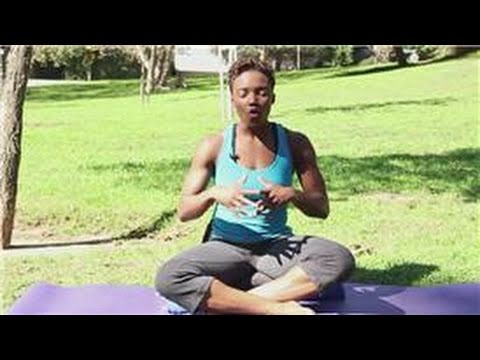
Yoga Exercises : Yoga Meditation Breathing Techniques : Meditation Breathing : Video

Yoga Exercises : Yoga Meditation Breathing Techniques : Meditation Breathing  : Video

Meditation Breathing :

Proper yoga breathing techniques such as focused breathing help the mind into the relaxed state necessary for meditation. Learn focused breathing for meditation in this free yoga video. Expert: Ozzie Jacobs Contact: www.ozziejacobs.com Bio: Ozzie Jacobs works as a personal trainer, yoga instructor, fitness educator and writer. Filmmaker: Max Cusimano Series Description: Yoga can address issues ranging from muscular strain to mental stress by helping you focus your mind, breathe more deeply and build strength and flexibility. Learn a variety of yoga poses and exercises from a professional instructor in this free video series.

Mindfulness Meditation – How to Mine Your Past for Creative Gold

Article by Richard M. Frost

In our headlong rush to create a new, supposedly better reality for ourselves, there is a great danger of reinforcing a pervasive belief that what we have now isn’t good enough. Such an attitude is counter-productive and a sure recipe for unhappiness. But this constant focus on the future also causes us to ignore a potential source of creative gold: memories of happy experiences from our past. And those memories should not be overlooked, for their vividness in our minds gives them an extra creative potential that wishful thoughts about an imaginary future often lack.

The Past is Not Dead, But it Could be Killing Your Future

Once we have accepted the unconventional proposition that we create our reality with our thoughts, then the six-million dollar question inevitably becomes, “What are we setting ourselves up for by thinking what we’re thinking?” Through the cultivation of mindfulness, we must constantly observe our thoughts and emotions, and stand ready to police negativity that will cause problems if left unchecked.

What that mindfulness often reveals is that we spend a great deal of our time rehashing events from our past – usually bad ones. If just one little thing goes wrong with an otherwise decent day, you can bet your bottom dollar that you’ll be dwelling on that isolated incident, blowing it up out of all proportion and granting it a significance it almost certainly doesn’t deserve. Not only does this make you unhappy without good reason; it also sets in motion creative forces that will cause this poor quality of experience to expand. Think of it as a snowball effect or as a vicious circle, but you are going to get more of what you concentrate upon.

Sadly, we often end up using our creative power not to make the better future we want by concentrating on how things could be, but instead create a poorer future by focusing on the lousy things that have already been. This process is at work all the time, even for people who would laugh at the suggestion that their own thoughts and feelings affect their physical reality. Those of us who have made this breakthrough and perceived our own power ought to know better, but all too often fall into the same self-destructive traps as everyone else. It takes a tremendous degree of experienced mindfulness to learn this lesson.

Time to Turn the Tables

Most efforts to create better realities involve positive thoughts and images about a potential future. Those efforts are particularly difficult when we sabotage ourselves by allocating more time to complaints about the past and present. This tendency dooms many people to failure before they start, so it is no wonder that some say creative visualization doesn’t do any good. In a generally dark mental environment, a few rays of sunshine amount to little more than damage limitation.

There are two things we can do to give our future a better chance at working out the way we want, and both involve our past. The first, following on from what we have just discussed, is to stop dwelling on all the bad things we habitually churn up from our past, whether that past occurred earlier today or twenty years ago. (Memories of ancient harms don’t go away. In fact, the brain is hard-wired to hang on to them.)

The second thing we can do is to deliberately focus on all the good things that have happened in the past. And, no, it’s not acceptable for you to say, “What good things?” Unless you’ve been a prisoner of war all your life, there will have been some good along the way. And even if your life has been unusually hard, we should not forget what Viktor Frankl told us in Man’s Search for Meaning. The most resilient humans – those who survive against all odds – are somehow able to find something positive in the most hellish conditions imaginable.

Focusing on the best events from your past will encourage those better qualities of experience to reappear. No matter what else has happened since, or is happening right now, no one can ever take those memories away from you. They are always available to you, ready and willing to help you focus your attention and creative energy through a brighter prism, and to rekindle happier emotions.

Thus, instead of dredging up toxic mud from the murky depths of your past, only to dump it into the flow of your current consciousness, why not instead tap into your deep reserves of creative gold? The more you do this, the easier it will become. And if you persist long enough, you will start to detect those same happy qualities of experience occurring anew. The details will be different, but life will try to give you more of the same. Once again, the bottom line is this: What do you want more of – the worst things that have happened to you, or the best?

About the Author

The uses and limits of mindfulness practices are discussed in greater detail in this thoughtful and unique meditation blog.

Mindfulness Meditation – How to Navigate Through Your Own Personal Minefield

Article by Richard M. Frost

Bad experiences sometimes leave deep wounds on our psyche – scars that take a long time to heal. While time generally does heal most wounds, we don’t do ourselves any favors by going back and picking at them. In fact, replaying bad experiences over again in your mind is a recipe for disaster, for the negative thoughts and emotions that were buried can be brought back to life with explosively destructive force, just like a landmine buried long ago in a forgotten war. The cultivation of greater mindfulness, however, can help us navigate through this personal minefield, alerting us whenever we get too close to danger.

Where Are Your Mines Buried?

Some of us do a better job than others of just going with the flow of life, and not spending too much time looking back with regret, recrimination, or guilt, to name just a few of the toxic emotions that can accompany our memories. But for almost all of us, there have been some particularly painful moments along the way, and these are the landmines that we must map out and stay away from, lest we unleash a damaging flow of thoughts and emotions. The emotions associated with past traumas don’t just make us miserable; they also have creative (which in this case means destructive) potential, transforming the events that transpire in our outer reality as well as the inner landscape which can often be bad enough by itself.

What sort of events have you buried?

* An argument with a co-worker or family member? * An accident that you caused? * The death of a loved one or pet? * Rejection by an object of your affection? * Getting fired from a job? * Failing a test at school? * Saying something that hurt someone else’s feelings? * Betraying a friend’s confidence? * A period of severe poverty and insecurity? * The time other people abused you verbally or physically?

Obviously, the list is endless. There’s a pretty good chance that you’re working on something in your own list right now. Our inherent “negativity bias” is almost irresistible, constantly drawing us back to the worst memories and the most negative expectations for the future. That sort of thinking once made sense in an earlier evolutionary environment, where the avoidance of real threats to our survival was paramount, but in today’s generally much safer world, this default “doom and gloom” setting does us no favors at all.

Awareness of the Danger Will Protect You

While conventional mindfulness practices, which teach us to be aware of what we’re doing, moment-to-moment, with our minds, can tell us when we’re dwelling on negative memories, they don’t do nearly enough to inform us about the very real danger of this type of thinking. Buddhist mindfulness does not embrace the much more modern New Age concept that we create our physical realities with our thoughts and emotions, and simply confines itself to inner reality.

While there is undoubtedly real benefit to be derived from a more harmonious inner life, the real danger we must avoid is the physical manifestation of our negative thoughts and feelings. This danger is very real, and the power of our most upsetting memories is particularly likely to expose us to harmful manifestations. For unlike the positive manifestation goals so beloved of self-help authors like Rhonda Byrne, we know exactly what these bad experiences feel like and we can remember every little painful detail in technicolor glory. In short, it’s much, much easier to create bad realities than good ones, and we have to police ourselves constantly to protect ourselves from these self-inflicted wounds.

So the next time you catch yourself dwelling upon the worst events of your past, just stop. No matter how justified you feel you are in rehashing that event, you must remind yourself of the power of your thoughts and emotions. A simple way to manage yourself is to ask whether you want to relive that experience – or something very similar to it – again. Because if you don’t watch out, that is exactly what will happen.

About the Author

When replaying past events, one of the most damaging thought patterns we must avoid is that of self-blame. Critics of the New Age use that issue as an argument against the reality-creation principle, but it is – ironically – a strong argument in favor of New Age ideas. To see why, visit this thoughtful Meditation Blog.