Meditation Music :
Pre-Dawn Meditation All that has been made has been made by the word. So let it be written. So let it be done.
Video Rating: 4 / 5
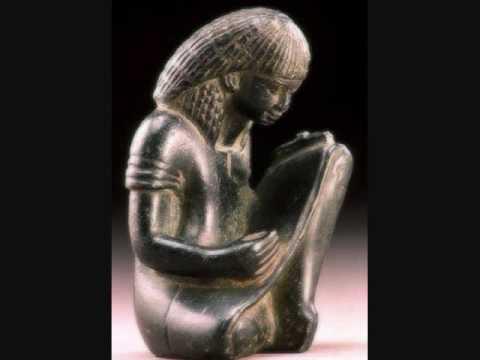
Pre-Dawn Meditation All that has been made has been made by the word. So let it be written. So let it be done.
Video Rating: 4 / 5


Music for Yoga, Relaxation & Meditation with video footage from my mother´s garden. mp3-downloads on: itunes.com www.dooload.de, http The track 7 “Dreaming Part I” from the album Yoga Sunset Chill Volume II is available on more than 360 different musicstores. Peace, Love & Light Anke www.bmp-music.de
Video Rating: 4 / 5
Article by Jane Michael
One form of religious meditation is Christian meditation. This meditation is practiced as devotions. The use of prayers and songs is from the earliest days of Christianity and is a mode of meditation. One can concentrate on a particular verse in the bible for a period of study.
Some people particularly Catholics may meditate on the wounds of Christ. A focus on his five wounds is a way of connecting with him and coming to understand why he sacrificed for humanity.
Other forms of religious meditation include: Buddhist, Hindu, Zen and so forth.
What is Entrained Meditation?
It is a kind of meditation involving sounds and listening. The listener or meditator hears binaural beats. They are recordings of very calming sounds. They relax the listener as he or she practices meditation. These sounds change the listener
Article by Martin Nicholson
Did You Know?The word meditate stems from the Latin root meditatum, i.e. to ponder
There are many explanations of mediation but to sum it up Meditation can be defined as:
continuous and profound contemplation or musing on a subject or series of subjects of a deep or abstruse nature; “the habit of meditation is the basis for all real knowledge”
So What is meditation?
Meditation has become widely popular in the western world today. With more and more people turning to alternative and holistic medicines rather than taking pills, meditation has become widely recognised as a way to help combat many of the modern day ailments like stress, anxiety and high blood pressure.
So who can meditate?Meditation is for young and old alike, having many health benefits like lowered levels of cortisol and lactate-two chemicals associated with stress, decreased high blood pressure, lower heart rate and reduced work load of the heart and finally improved flow of air to the lungs resulting in easier breathing. Which has been very helpful to asthma patients.
Types of meditation.
There are many different types of meditation each with there own particular teachings and theories. The best way to find out which is right for you though is to simply try them! It
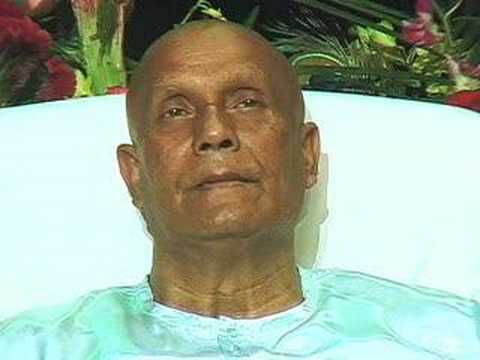
Meditation-Silence. Listen to the silence within you and learn the ancient art of meditation. Within each of us, a tranquil inner world lies waiting to be discovered. Here, the silence, stillness and peacefulness of our deeper, spiritual nature can be experienced through meditation and flow out into every part of our life. Meditation reconnects us with the bright and positive qualities of our heart and the greater happiness and delight of our souls. “While breathing in as slowly as possible, feel that you are breathing in not just air but cosmic energy. Feel that tremendous energy is entering into you.”—Sri Chinmoy www.srichinmoy.tv
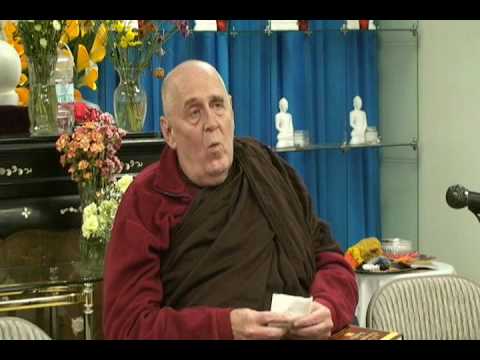
In this part 2 Bhante Vimalaramsi explains the difference between how the breathing meditation is taught in the Suttas and how it is taught by Vipassana and other teachers. How does the Relax step function to make your progress so much faster. And how only by practicing in this way Craving is destroyed and the Hindrances are let go of rather than suppressed as they are in One Point Concentration/Absorption. He also tells a story about a man who was a long time practicer of Vipassana taught by Mahasi Sayadaw who succeeded at that meditation and progressed through the various 16 knowledges or but started doing the meditation with Bhante’s guidance and had amazing breathroughs into insights and states never before experienced. And all without needing to do a retreat but just with a daily practice. The experiences are exactly as written about in the Majjhima Nikaya or Samyutta Nikaya -NOT the Visuddhi Magga which is now see to be a commentary not written or spoken by the Buddha but re-interpreted by scholar monks who did no meditation and were influenced by Hindu Practices. Information sites.google.com Full Video -See day5 MN10 www.dhammasukha.org
Article by Ace Smith
Have you ever gone to the beach and just looked at the sunset, smelled the saltiness of the sea in the air, felt the fineness of the sand beneath your feet? Have you ever sat beside a river and listened to the sound of rushing water? Or have you taken a quiet time and listened to the song of the birds of the air, or just concentrated on the voices of the crickets calling out to each other? Did you know that you were already meditating then, or did you just realize that truth now?
Many people meditate for different reasons: some to get away from the “realities” of life, some do so to relax, while others just want to be alone. Meditation is not limited by religion. Yes, there are religions that have meditation as one of their important practices, though they may call it by different names, but the concepts are the same. Buddhists, Zen Buddhists, those who practice Hinduism, Taoism, most of the other Eastern religions, these are the people who practice meditation because it is infused in their belief systems. Even Christians meditate in their own practice. So basically, whether you are a Hindu or a Christian, a business tycoon or a doctor, a student or a professional, whatever your religion, whatever your beliefs, whatever your gender, whoever you may be, you can and have every right to meditate.
Why do people meditate?
In many articles, it said there that meditation aids in the reduction of stress. Meditation strengthens our immune system and fortifies our body’s defenses. So in effect, meditation helps us not be sick and live longer lives. This fact has been the focus of many researches over the years, while even more developments are being discovered about meditation and health.
Originally, meditation techniques such as yoga and tai chi were used for clearing the mind and strengthening the spiritual energy. But as time passed, people became less interested in the meditation part and focused more on the body sculpting aspect. Yoga and tai chi became popular forms of exercise instead of just meditation techniques. Yoga and tai chi are often integrated into exercise routines for individuals or group sessions.
Aside from the physical goals meditation practitioners aim for, many persons meditate because of mental benefits. Even psychiatrists and behavioral psychologists use meditation to help calm their patients. In some cases, it helps them deal with traumatic experiences, overwhelming grief, and other emotional problems. Some persons who reach their retirement age use meditation to avoid ailments related to ageing, such as Alzheimer’s disease and muscular pain.
Professionals and students alike use meditation to improve their concentration. There have been studies that determined how meditation helps in cognitive receptiveness of its practitioners. They become more attentive and are able to retain more information through the help of meditative practice.
In relation to religion, meditation enabled practitioners to attain full enlightenment and a virtuous state of mind. It enables them to gain wisdom and a deeper understanding of the subconscious. It also enables them to achieve a higher level of spirituality, which results to qualities such as compassion, kindness, and all others.
About the Author
Ace Smith is a prolific writer touching base on topics like Technology, Travel, Health and others. For more information you can drop by his web sites that deals with: Credit & Finance, Africa and Jewelry.
Article by Amy C.
Meditation is simply making a choice to focus your mind on something and opening to each moment of life with calm awareness. Mediation is inspired by a variety of spiritual traditions, both Eastern and Western, helping people to experience the sacred.
Meditation is a very powerful tool for healing body, mind, and spirit through reducing tension, anxiety and stress; lowering blood pressure and cholesterol; creating stronger focus and concentration; and increasing self-understanding and self-acceptance.